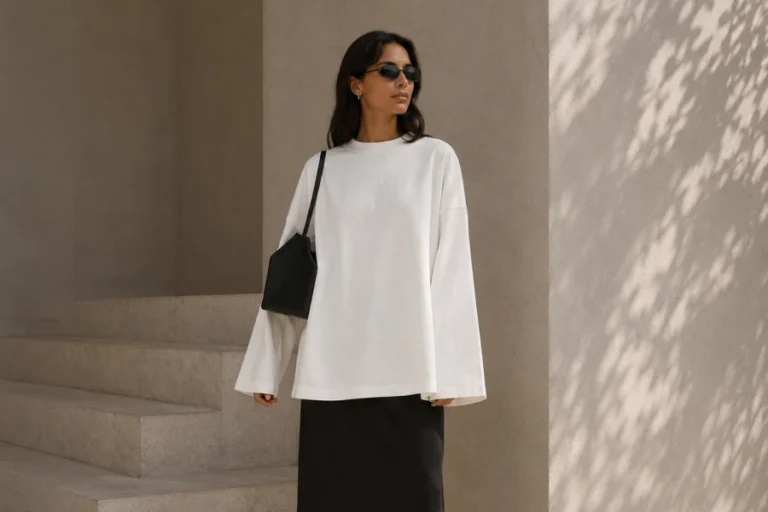
Breathable Summer Fabrics can change how your whole warm-weather wardrobe feels. Summer style often fails because clothes look light but perform badly. A blouse may photograph beautifully while trapping heat. A dress may feel airy indoors but cling outside in humidity. The wrong fabric turns simple plans into discomfort. A better system starts with material before color, trend, or silhouette. You choose pieces that can handle your real climate. Then you build outfits that still look intentional. Comfort and polish do not need to compete. They simply need better fabric logic.
Why Breathable Summer Fabrics Should Lead the Closet
Fabric should lead summer dressing because heat affects every outfit decision. Fit, color, layering, and accessories all depend on how the material behaves. A strong fabric-first wardrobe starts with the weather, not the trend cycle. Linen, cotton, gauze, poplin, chambray, and certain blends can each serve different days. Some fabrics breathe well but wrinkle quickly. Others hold structure but feel warmer. The point is not naming one perfect option. It is knowing which fabric belongs to which kind of summer day. That knowledge makes dressing easier.
Reading Heat, Humidity, and Daily Movement
Your climate should shape your fabric choices. Dry heat needs different strategies than sticky humidity. Office air conditioning creates another challenge. Walking, commuting, school runs, travel, and outdoor meals all change what clothing must do. A useful cool summer dressing plan considers moisture, airflow, transparency, and movement. A stiff fabric may look polished but feel harsh in heat. A very soft fabric may feel cool but lose shape quickly. The best summer pieces work with your schedule. Real comfort begins when fabric matches the day.
Breathable Summer Fabrics With Better Outfit Structure
Soft fabrics often need visual structure. Without it, breathable outfits can look unfinished. A linen shirt may need sharper sandals. A gauze dress may need a defined bag. A cotton skirt may need a cleaner top line. Strong breathable outfit formulas keep light pieces from feeling plain. Use proportion, texture, and accessories to create intention. Breathable Summer Fabrics work best when each outfit has shape. Comfort should not remove style direction. It should give the wardrobe a smarter foundation.
Handling Sheer Layers and Underpieces
Sheerness can ruin an otherwise good summer outfit. Many light fabrics become transparent in direct sun. Underlayers can fix the issue, but they can also add heat. Choose slim, breathable, smooth underpieces that do not fight the garment. Test clothing in daylight before committing to the look. Pale linen, white cotton, and loose gauze need special attention. A good underlayer should disappear visually and physically. It should solve transparency without changing the outfit’s mood. Summer dressing improves when hidden layers receive the same care as visible ones.
Breathable Summer Fabrics That Balance Color and Texture
Color and texture keep warm-weather outfits interesting. Pale neutrals can feel elegant, but too many flat surfaces may look dull. Texture adds depth without adding heat. A linen summer wardrobe can use ribbing, weave, slub, pleats, or crisp cotton contrast for dimension. Natural fiber outfits often look best when texture carries the detail. Breathable Summer Fabrics also affect color. Some shades look softer on washed linen and sharper on poplin. Fabric changes the entire personality of a color. That makes material choice part of the palette.
Turning Breathable Summer Fabrics Into a Repeat List
The best summer wardrobe comes from repeating what works. Track which materials feel good after a full day. Note which pieces wrinkle acceptably and which look tired too quickly. Save your strongest summer fabric styling combinations. Repeat them with small changes in shoes, bags, or accessories. Breathable Summer Fabrics become easier to shop for when you know your winners. You stop buying pieces because they look airy. You buy them because they perform. That is how summer style becomes cooler, calmer, and more reliable.